
Occupational Therapy for Hand Injury


A hand injury changes your day faster than most people expect. Buttoning a shirt, gripping a steering wheel, typing at work, opening a bottle, or holding a child can suddenly become painful, awkward, or impossible. That is where occupational therapy for hand injury becomes more than rehab - it becomes the path back to normal routines, work duties, and independence.
When the hand is injured, the problem is rarely just pain. Swelling, stiffness, weakness, numbness, scar sensitivity, tendon irritation, and loss of coordination can all affect recovery. Even a relatively small injury can disrupt how the wrist, fingers, thumb, and forearm work together. Effective treatment needs to look beyond the injury itself and focus on how you actually use your hand every day.
What occupational therapy for hand injury actually does
Occupational therapy for hand injury is designed to restore function. That means helping patients use the hand safely and effectively for daily tasks, work demands, and personal routines. Depending on the injury, therapy may target motion, strength, dexterity, swelling control, pain reduction, scar management, joint protection, and gradual return to activity.
This kind of care is especially useful because hands do very precise work. Recovery is not only about whether a fracture healed on an X-ray or whether the incision closed after surgery. It is also about whether you can grip tools, type without pain, prepare meals, carry groceries, or return to your job without making the injury worse.
For some patients, therapy starts soon after an acute injury. For others, it begins after hand surgery or after a period of immobilization in a cast or splint. Timing matters, but there is no single rule for everyone. Starting too aggressively can irritate healing tissues, while waiting too long can allow stiffness and weakness to build. The right pace depends on the diagnosis, severity, and stage of healing.
Common injuries that may need hand therapy
Many different conditions can benefit from occupational therapy for hand injury. These include fractures of the fingers, hand, or wrist, tendon injuries, ligament sprains, crush injuries, nerve compression, lacerations, dislocations, repetitive strain problems, and post-surgical recovery. Work-related injuries are also common, especially in jobs that involve repetitive gripping, lifting, keyboard use, assembly work, tools, or machinery.
Some patients assume therapy is only needed after a major injury. That is not always the case. A jammed finger that never regained motion, a wrist sprain that still hurts when lifting, or thumb pain that affects grasp can all interfere with daily function. Early attention can often prevent a minor issue from becoming a long-term limitation.
There are also cases where symptoms seem mild at rest but become obvious once normal activity resumes. A patient may feel mostly fine until they return to work, start driving longer distances, or try to lift at the gym. That gap between resting comfort and functional use is one reason a hand-focused rehab plan matters.
What to expect during treatment
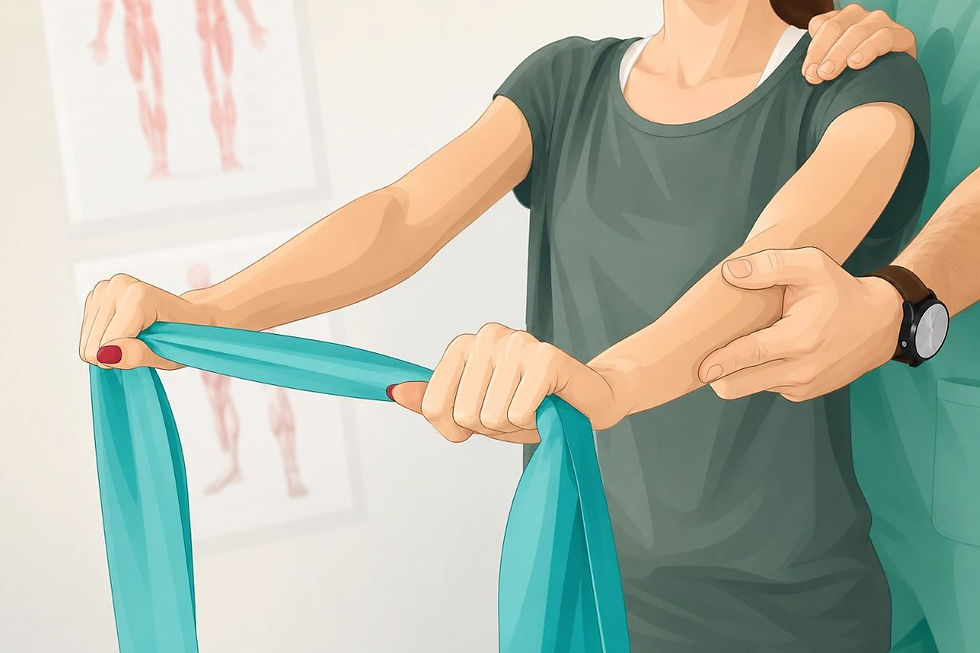
The first step is a practical evaluation. The therapist looks at pain, swelling, stiffness, strength, range of motion, sensation, coordination, and task performance. They also ask how the injury affects real activities, not just symptoms in isolation. If you cannot make a full fist, pinch a key, turn a doorknob, or tolerate a full work shift, that shapes the plan.
Treatment often includes guided exercises, but exercise is only part of the picture. Therapy may also involve custom splinting, edema control, scar care, desensitization, manual techniques, activity modification, and education on safe progression. Patients are usually given a home program as well, because hand recovery depends heavily on what happens between visits.
Some treatment plans are short and focused. Others require more time, especially after surgery, complex trauma, tendon repair, or prolonged immobilization. Recovery can be uneven. It is common to see progress in one area, like swelling, while stiffness or strength lags behind. That does not always mean something is wrong. Hand rehabilitation often improves in stages.
Splinting and protection
Splints can play an important role in both healing and function. In some cases, a splint protects a repair or stabilizes a joint. In others, it helps improve positioning, reduce strain, or gradually restore movement. The goal is not to keep the hand immobilized forever. It is to protect healing tissue while allowing the right amount of movement at the right time.
Exercise with a purpose
Hand exercises should match the injury. General squeezing or stretching is not always appropriate, especially early on. A patient recovering from tendon surgery needs a very different program than someone with a simple strain or stiffness after a fracture. Good therapy builds movement and strength without overloading vulnerable structures.
Why daily function matters as much as healing
A hand can be medically improved and still not be ready for daily life. This is one of the biggest reasons patients benefit from occupational therapy. The hand needs to work in context. That means reaching into a pocket, writing, fastening clothing, using a phone, lifting boxes, preparing food, or completing job tasks with consistency.
This functional focus is particularly important for working adults. Many patients are not asking whether the injury is technically better. They are asking when they can get back to work, whether they can avoid reinjury, and how to manage pain while using the hand. Those are practical questions, and therapy should answer them with a practical plan.
For injured workers, return-to-work planning may include task modification, pacing strategies, splint use, and graded strengthening. Office workers may need help with keyboard setup and repetitive strain reduction. Patients in physically demanding jobs may need a more structured progression before they can safely resume lifting, gripping, or tool use. It depends on the job, not just the diagnosis.
When to seek care sooner
Some warning signs should not be ignored. Ongoing swelling, increasing stiffness, reduced grip, numbness, tingling, severe pain with motion, or loss of hand function after an injury all deserve medical attention. The same goes for post-surgical patients who feel they are falling behind in recovery or people who were immobilized and now cannot move the hand normally.
Delays can make rehab harder. Stiff joints become harder to loosen. Weak muscles take longer to rebuild. Compensating with the uninjured hand or changing movement patterns can also lead to new strain in the wrist, elbow, shoulder, or neck.
At a coordinated outpatient center such as A&C Medical Center, patients may be able to move from evaluation to specialty care and rehabilitation without the delays that often complicate recovery. That matters when pain, work limitations, and daily responsibilities are all pressing at the same time.
Recovery is not one-size-fits-all
Two people can have the same diagnosis and very different rehab plans. Age, work demands, prior hand conditions, swelling, pain tolerance, overall health, and timing all influence treatment. A musician, mechanic, parent of a toddler, and desk worker use their hands differently. Their goals should shape therapy.
There is also a trade-off between pushing and protecting. Patients often want to get back to normal quickly, which is understandable. But moving too fast can increase pain or stress healing tissue. Moving too little can lead to stiffness and weakness. A strong therapy plan helps you find the middle ground and adjust as the hand improves.
That is why follow-up matters. As symptoms change, treatment should change too. The exercises that help in week one may not be enough by week four. A splint that protects early healing may need to be reduced later to allow more motion and strength. Recovery works best when the plan stays responsive.
The goal is getting your life back into your hands
Hand injuries are frustrating because they affect nearly everything at once. The right treatment should do more than reduce pain on paper. It should help you return to work, protect healing structures, rebuild confidence, and use your hand in ways that feel normal again.
If your hand injury is limiting daily tasks, slowing you down at work, or not improving the way it should, timely occupational therapy can make a meaningful difference. The sooner your recovery plan matches the way you actually live and work, the better your chances of regaining function that lasts.


Comments